Before you buy a used car, check four things: the paperwork and history, the body and interior for hidden damage, how it drives, and what a mechanic finds on a lift. The first three you can do yourself in an hour. The last one is the one that catches the expensive problems.
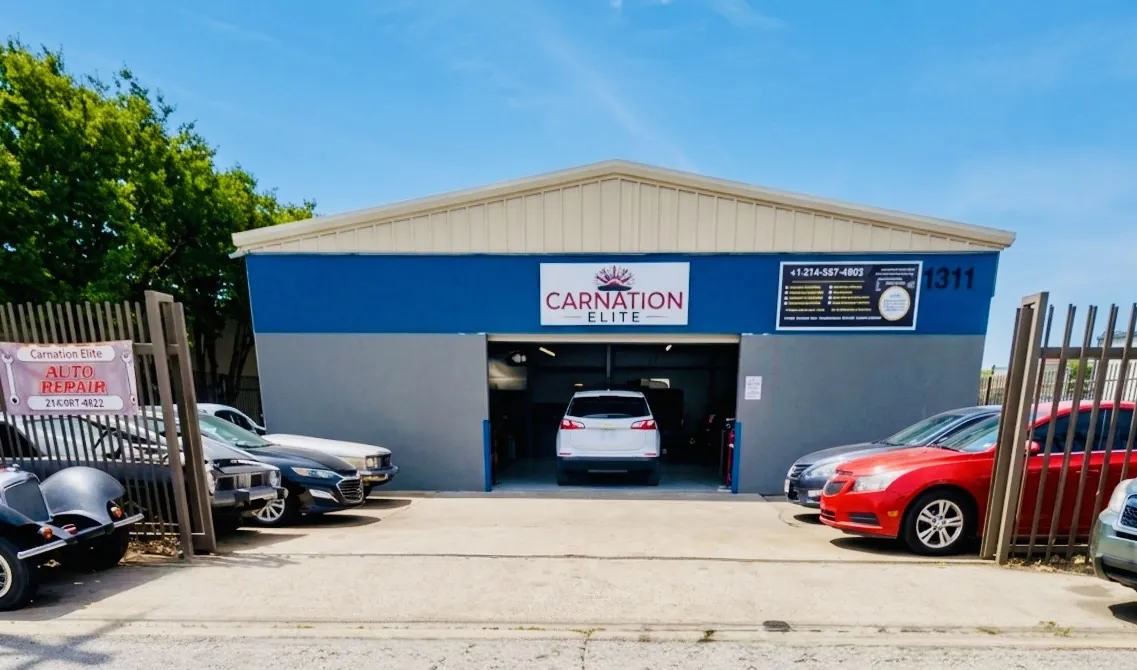
We see both sides of this at CarNation Elite. We repair cars every day, and we also inspect and sell used cars from our Northeast Dallas lot. This is the checklist our technicians would use on a car for their own family.
1. Paperwork and history
- Match the VIN on the dashboard, the driver's door sticker and the title. They must all agree.
- Check the title brand. Look for "salvage," "rebuilt," "flood" or "lemon" wording. Make sure the seller's name is on the title.
- Run the VIN. A vehicle history report shows reported accidents, title brands and odometer readings. The National Insurance Crime Bureau's free VINCheck shows theft and total-loss records.
- Check open recalls free at nhtsa.gov/recalls using the VIN.
- Ask for service records. Regular oil changes and timing belt or transmission service records are a very good sign.
2. Body, interior and flood damage
Texas sees flood-damaged cars every year, and some get cleaned up and resold far from where they flooded. Look for:
- A musty or heavily perfumed smell inside
- Silt, sand or water lines under the seats, in the trunk under the spare, or in the seat rails
- Rust on seat bolts, pedal brackets or under the dash, where cars don't normally rust
- Fogged headlights or gauges with moisture inside
For accident damage, look for paint that doesn't quite match between panels, uneven gaps around doors and the hood, overspray on rubber trim, and new bolts on fenders.
3. Under the hood (engine cold)
- Ask the seller not to start the car before you arrive. A cold start reveals noises and smoke a warm engine can hide.
- Check the oil: milky oil can mean a head gasket problem; very dark, low oil suggests poor maintenance.
- Look for leaks, cracked hoses, and corrosion on the battery.
- Coolant should be clean, not rusty or oily.
4. The test drive
- Check that every warning light comes on briefly at start-up and then goes off. A check engine light that never lights up at all can mean a bulb was removed.
- Drive in traffic and on a highway like 635 or 75 for at least 15 to 20 minutes.
- The transmission should shift smoothly, with no slipping, flaring or harsh clunks.
- Brakes should stop straight with no pulsing or grinding.
- The car should track straight on the highway, with no clunks over bumps.
- Run the A/C on max. In Dallas, a weak A/C can mean a leak or compressor repair.
- Test the windows, locks, screen, cameras and every switch.
5. Get a pre-purchase inspection
A professional pre-purchase inspection puts the car on a lift and plugs into its computers. It catches what a test drive can't:
- Stored or recently cleared trouble codes
- Oil and fluid leaks, and the condition of the transmission fluid
- Worn suspension and steering parts
- Brake and tire measurements
- Frame damage, rust and signs of past repairs
- Known problem areas for that make and model
A seller who refuses to let a buyer get an independent inspection is the biggest red flag on this list. Even if you walk away, the inspection costs far less than a transmission or engine problem discovered after you own the car.
Red flags: walk away if you see these
- The seller won't allow an independent inspection
- VIN mismatches or a title not in the seller's name
- Signs of flood damage
- Readiness monitors not ready (codes were recently cleared)
- A price far below market with a story about why it must sell today
Buying from CarNation Elite
Every car on our lot goes through our own service bays before it's listed, inspected by the same technicians who do our repairs. You're still welcome to have any car inspected independently. See what's available on our used car inventory page.
Frequently asked questions
What should I check before buying a used car?
The title and VIN, a vehicle history report and open recalls; signs of accident or flood damage; fluids and leaks under the hood; a 15 to 20 minute test drive in traffic and on the highway; and a pre-purchase inspection by an independent mechanic.
Is a pre-purchase inspection worth it?
Yes. It costs a small fraction of the price of the car and can uncover engine, transmission, suspension or frame problems that cost thousands to fix. It also gives you leverage to negotiate.
How can I tell if a used car was in a flood?
Look for a musty smell, silt or water lines under seats and carpets or in the spare tire well, rust on seat bolts and under the dash, and moisture inside lights or gauges. Check the title for a flood brand and run the VIN.
Can I get an inspection on a car from a private seller?
Yes. Arrange a time with the seller to bring the car to a shop. A seller who won't agree to an inspection is a warning sign.
Get a straight answer on your car
Describe what you're seeing and we'll tell you how urgent it is. Written quote before any work starts.
Book Appointment Call (214) 597-4922